 Akshay Deshpande
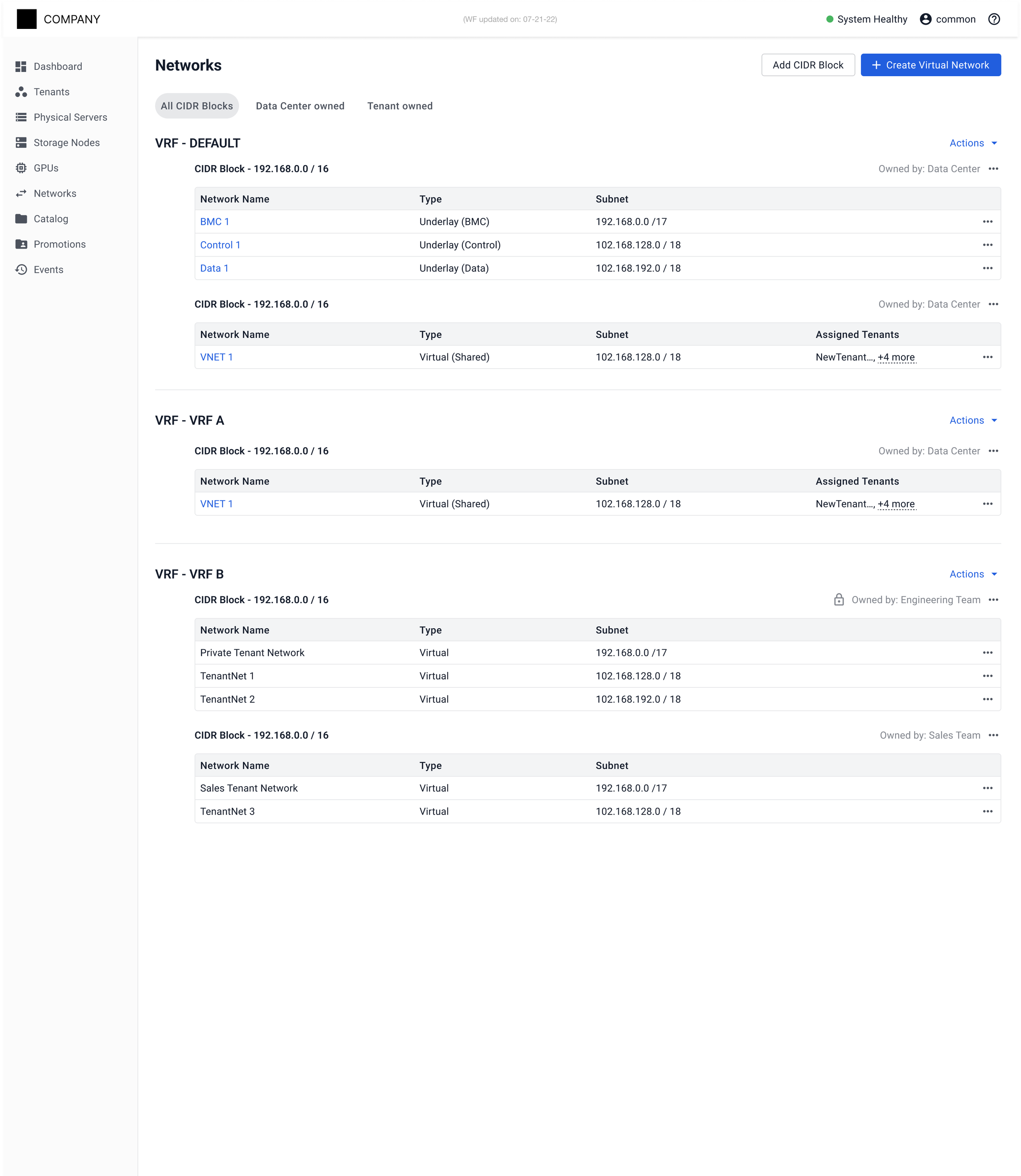
Network allocation
How the data center and its tenants allocate and use networks, shown as an object-wise hierarchy.
At Fungible, I co-created the company's first design system, in Figma and in working Angular code, and designed core parts of the Data Center Composer and GPU Connect from MVP through three major releases.
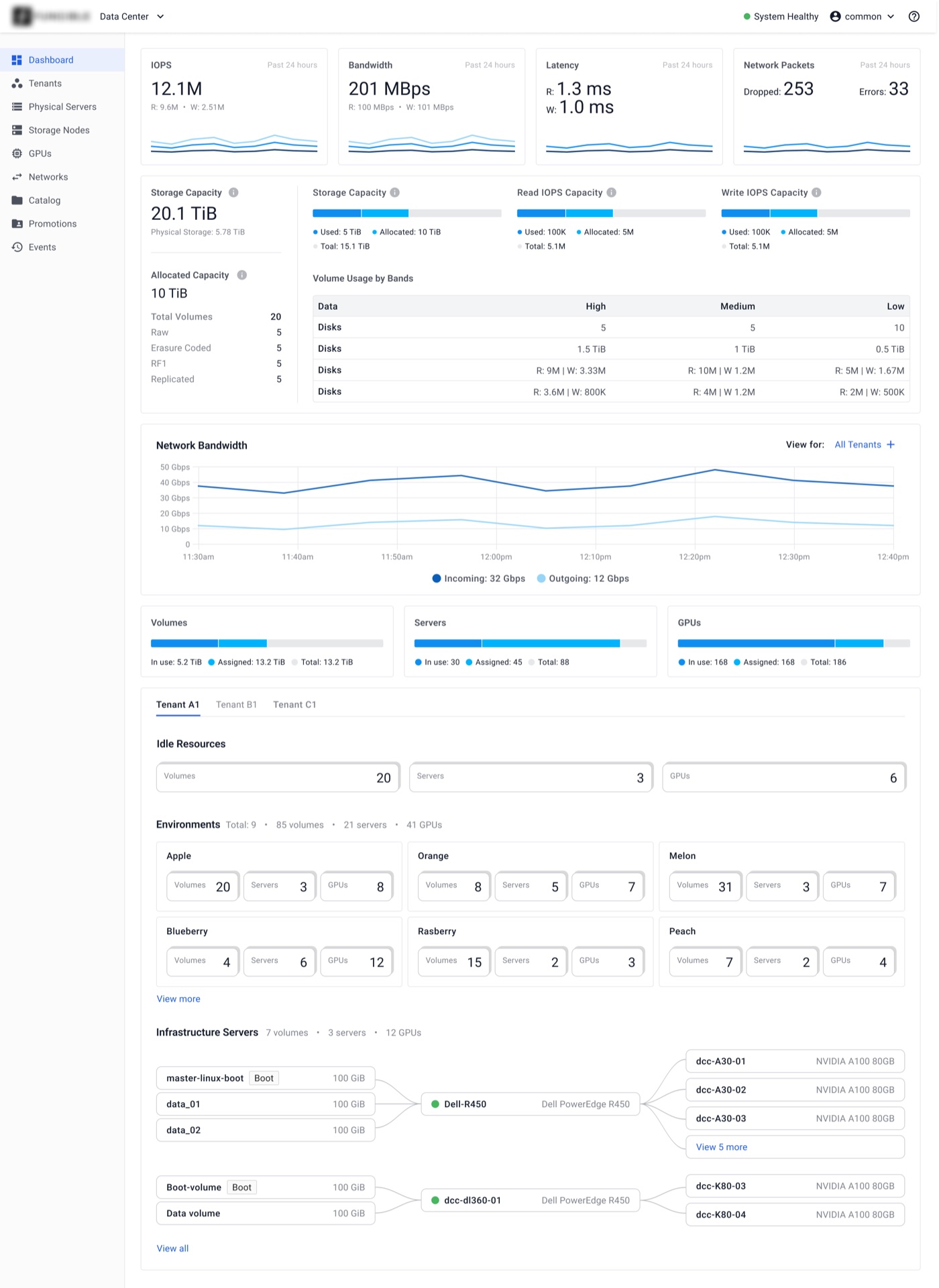
Workloads like AI and machine learning, big data and gaming each need a different mix of CPUs, GPUs and storage. In a traditional data center, servers are assembled with fixed hardware, so most of it sits idle outside peak load.
Fungible built hardware that splits a data center into pools of compute, storage, GPUs and networking. The Data Center Composer is the software that lets teams “compose” those pools into exactly the servers they need, then release them when they're done.
Problem statement
How might we let data centers use their hardware efficiently, by making it easy to create and remove specialized server configurations as needed?
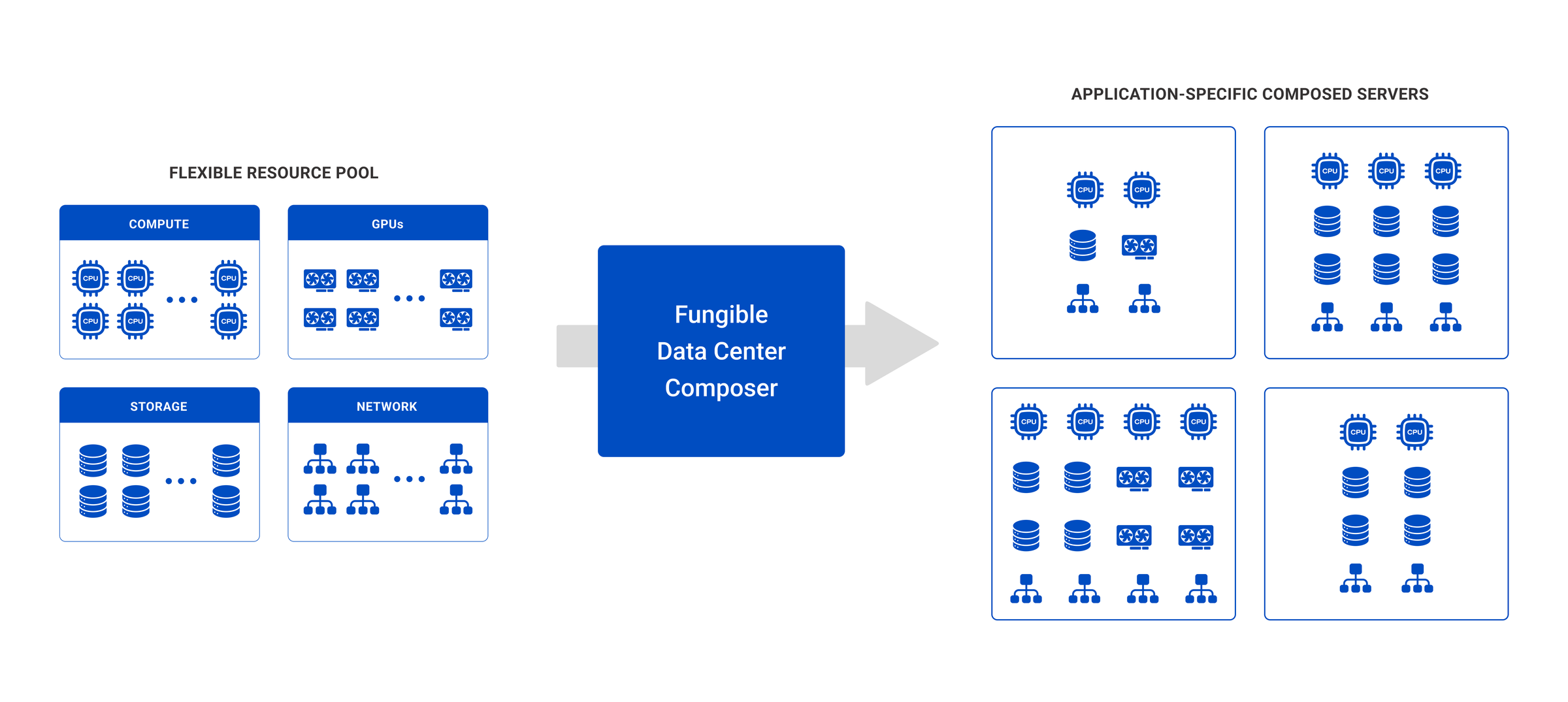
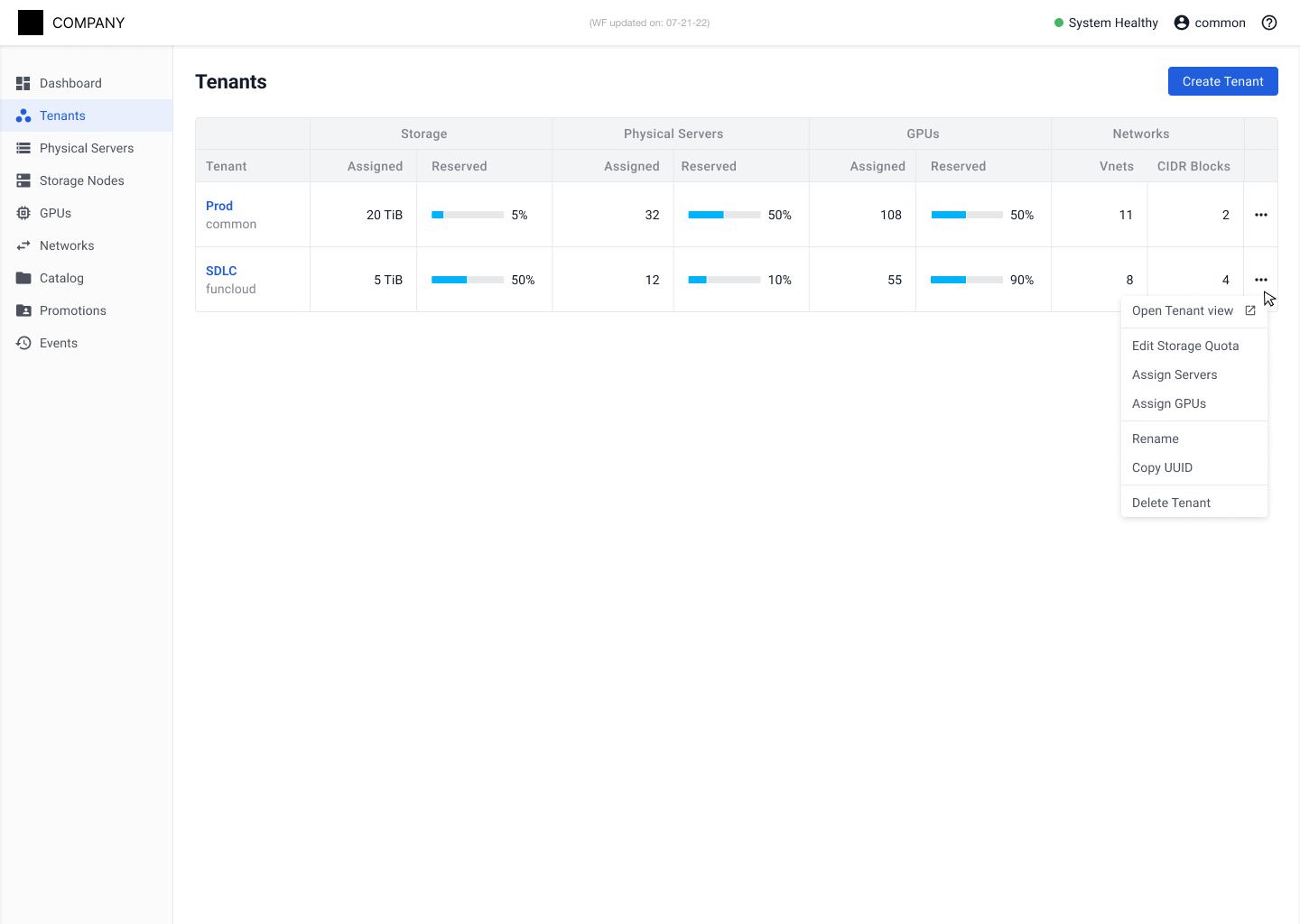
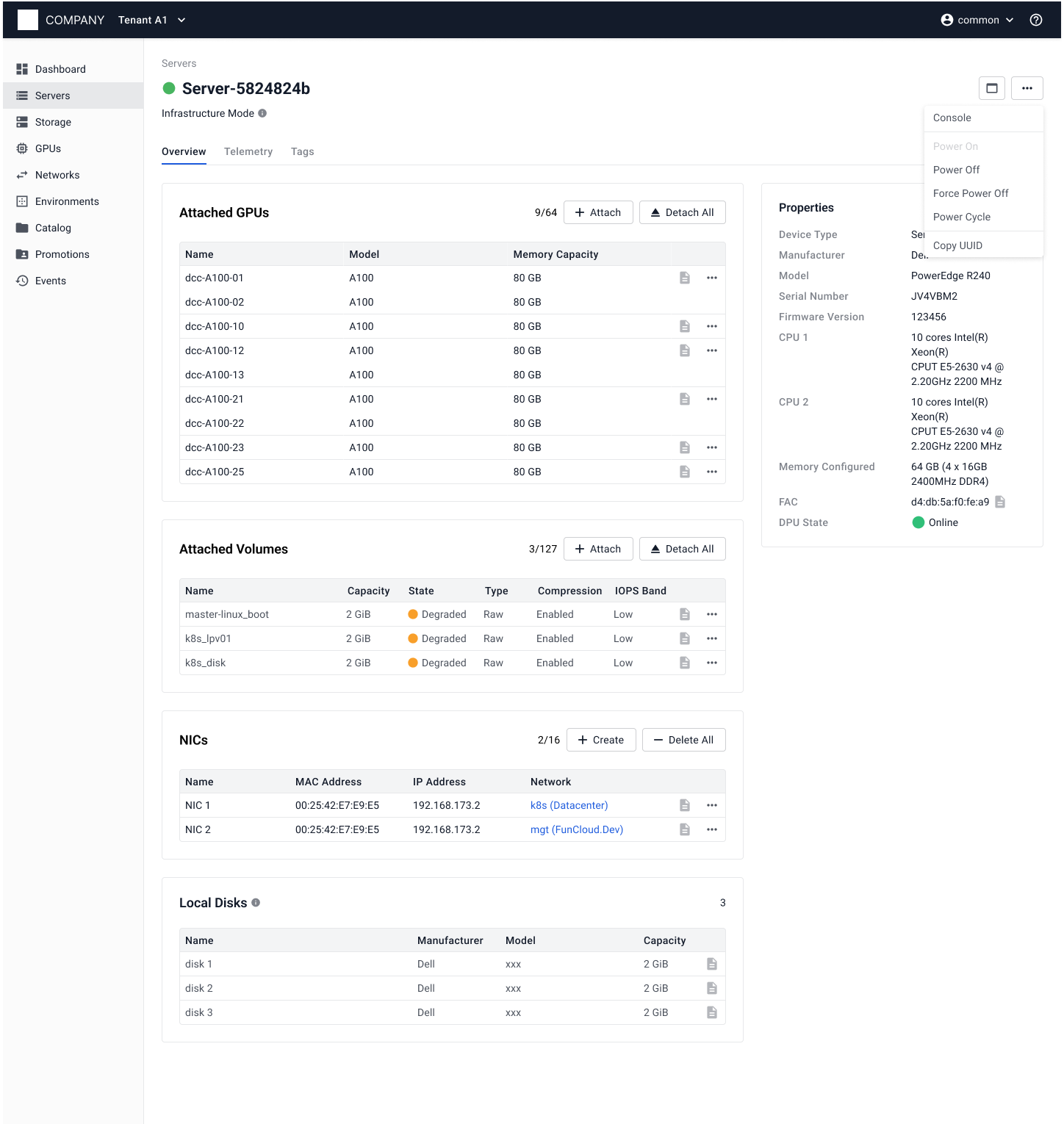
The Composer serves two kinds of users. A data center admin partitions storage, servers and GPUs among customers, called tenants. A tenant admin then composes servers from what they were given, based on the workloads they need to run.
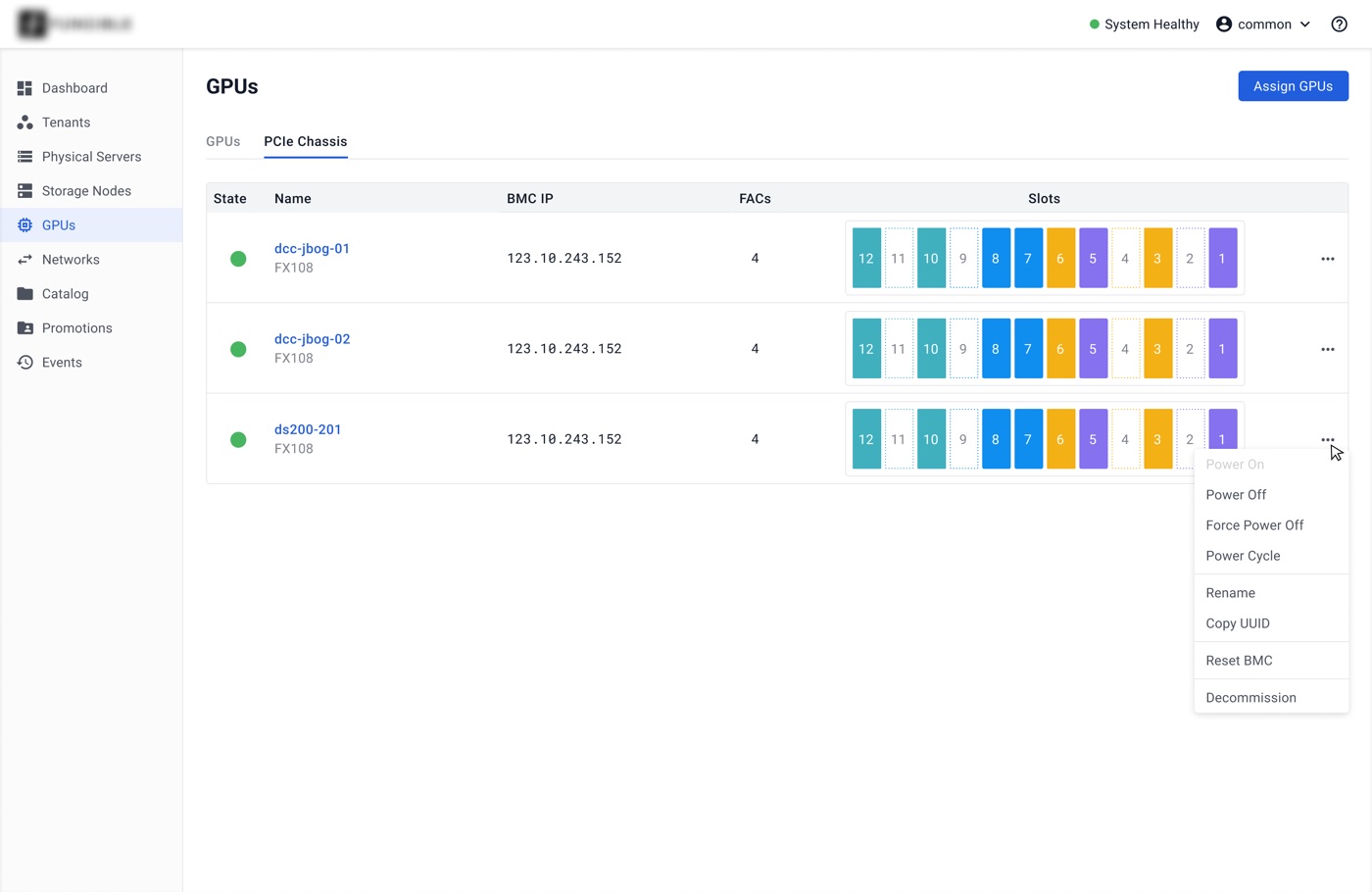
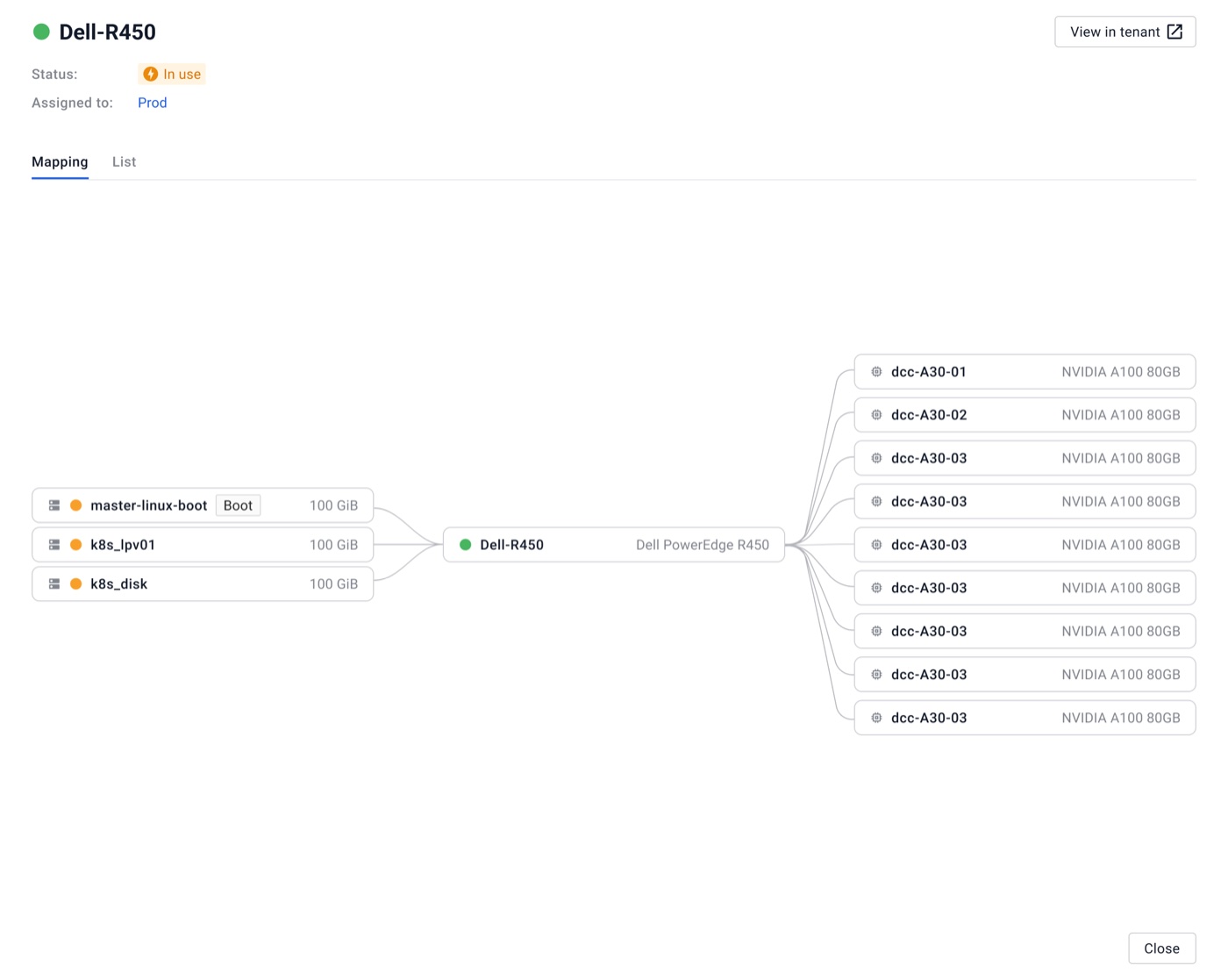
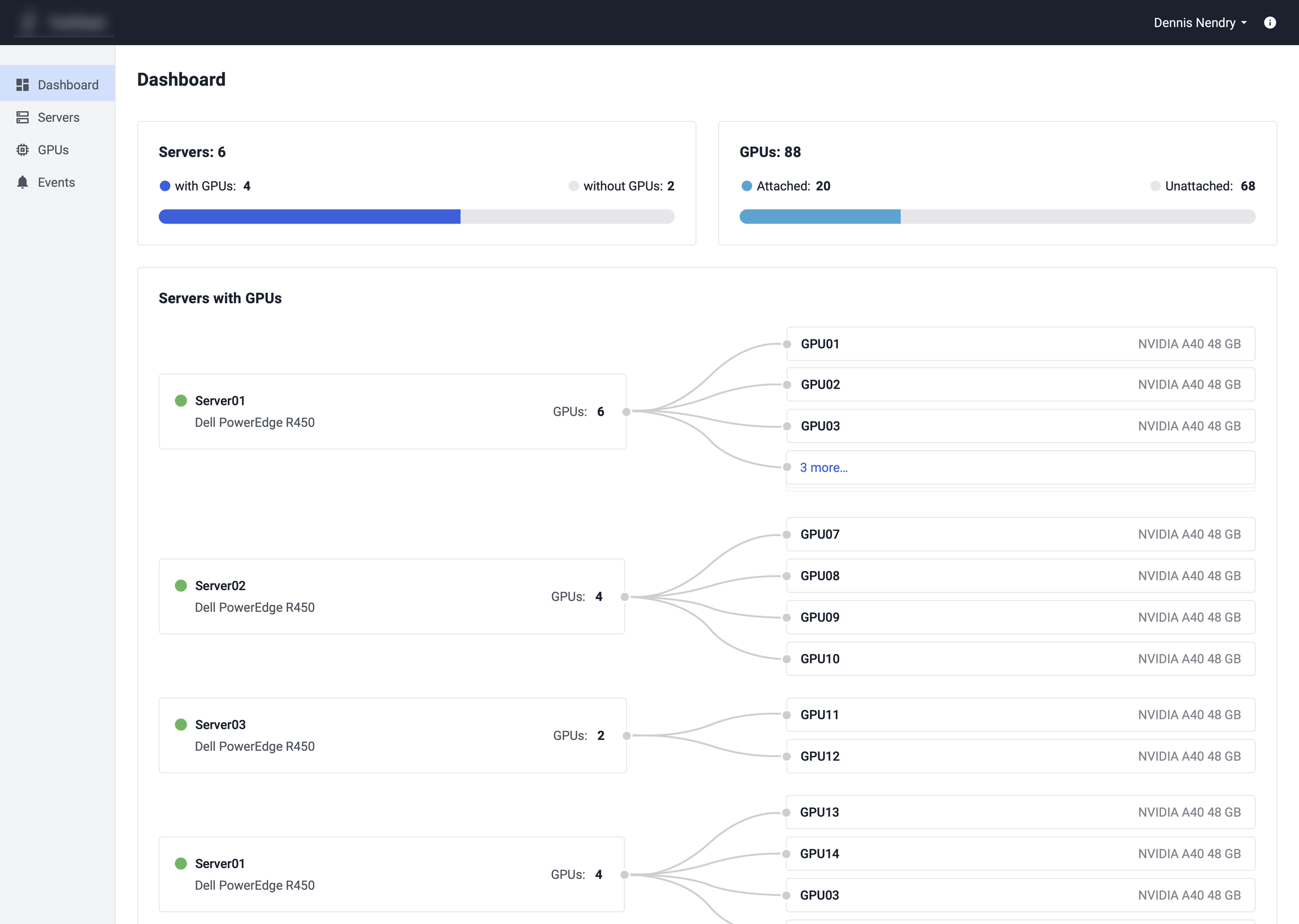
GPU Connect is a focused version of the Composer for servers and GPUs. It turns a data center's GPUs into one shared pool that can be attached to or detached from servers as demand changes.
The design system
After the MVP shipped, the team hit familiar problems: inconsistent UI across parts of the product, designers and engineers using components differently, and no shared design principles. Every inconsistency became extra work for engineering.
With one other designer, I built Fungible's first design system. Because I'd been a front-end engineer, I didn't stop at Figma. I built it in code too.
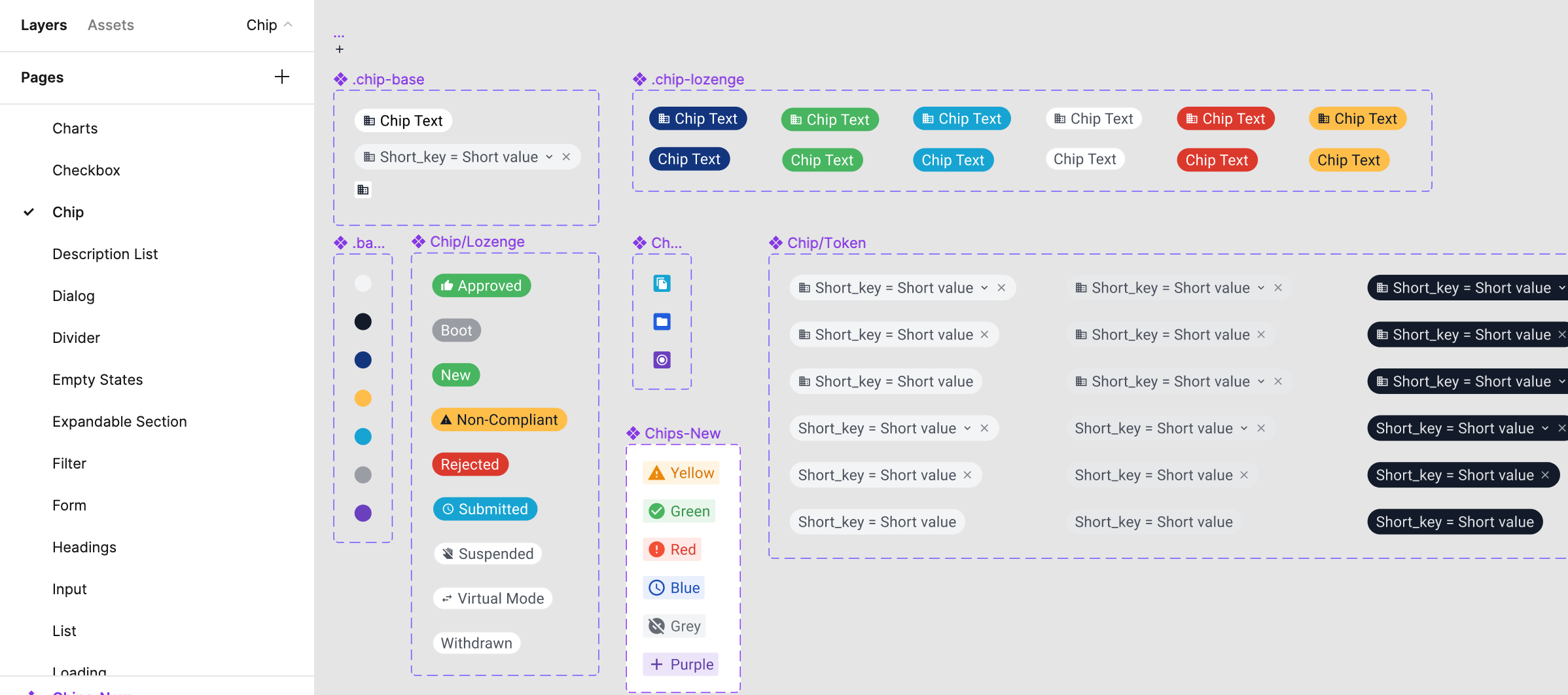
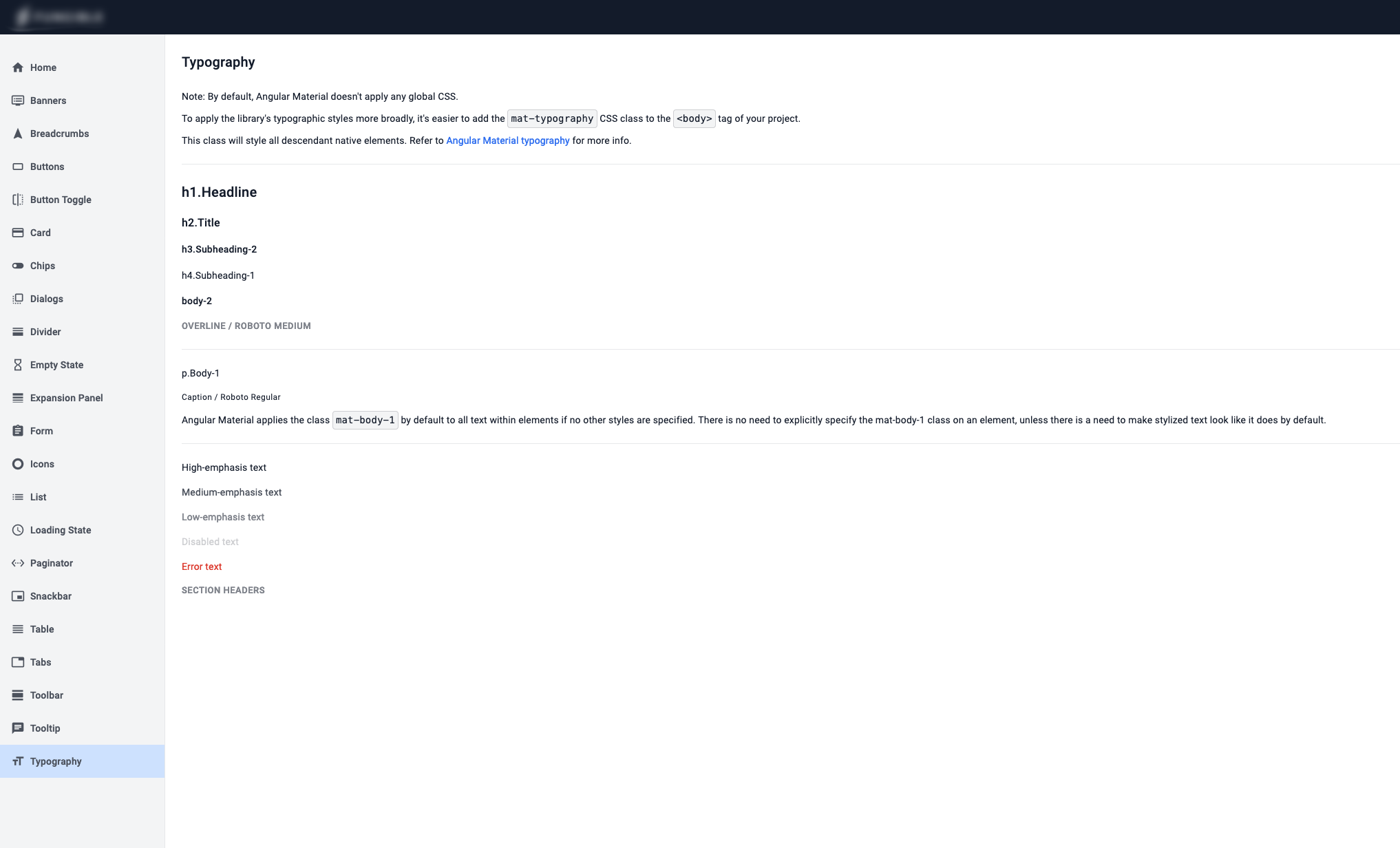
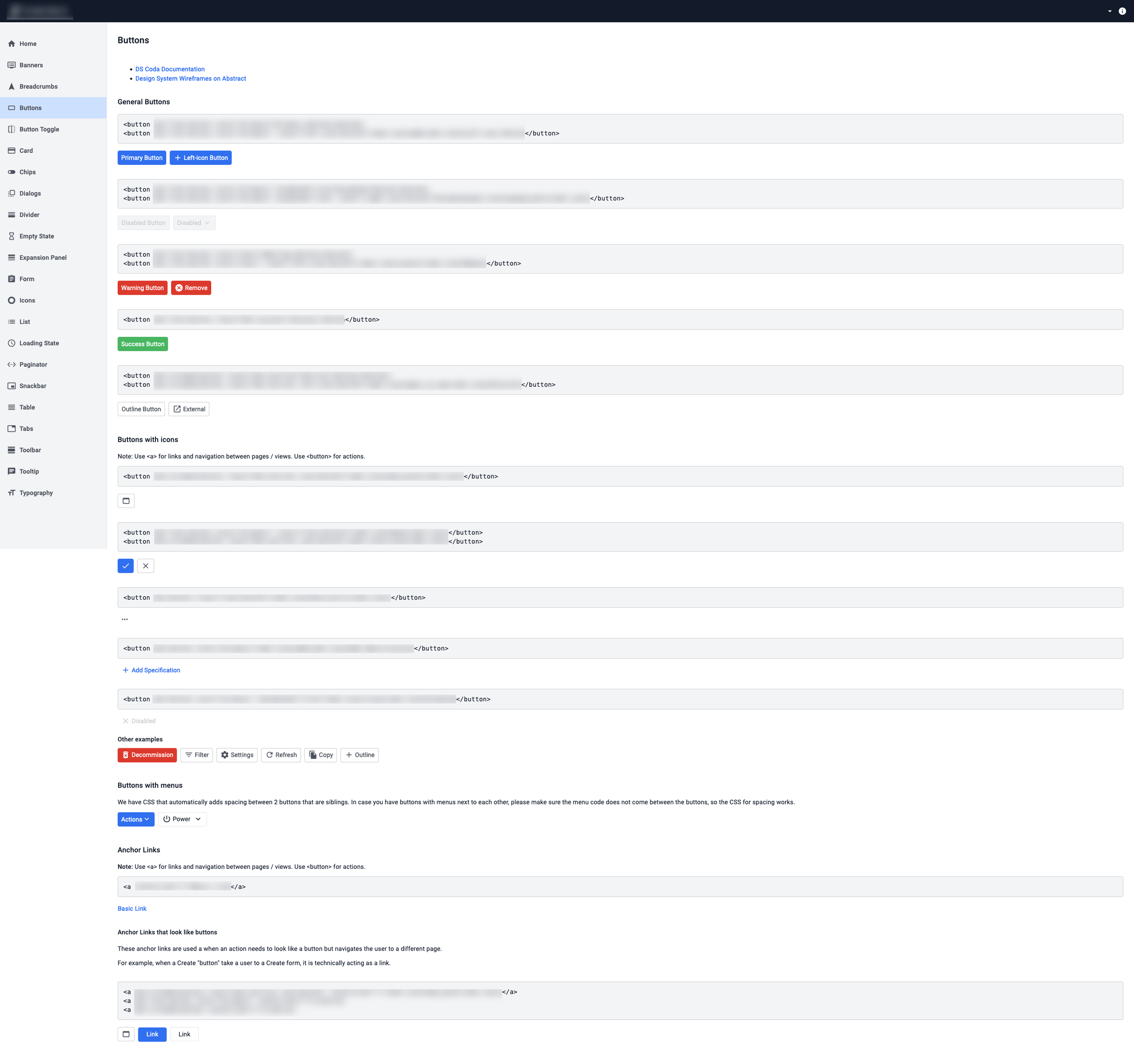
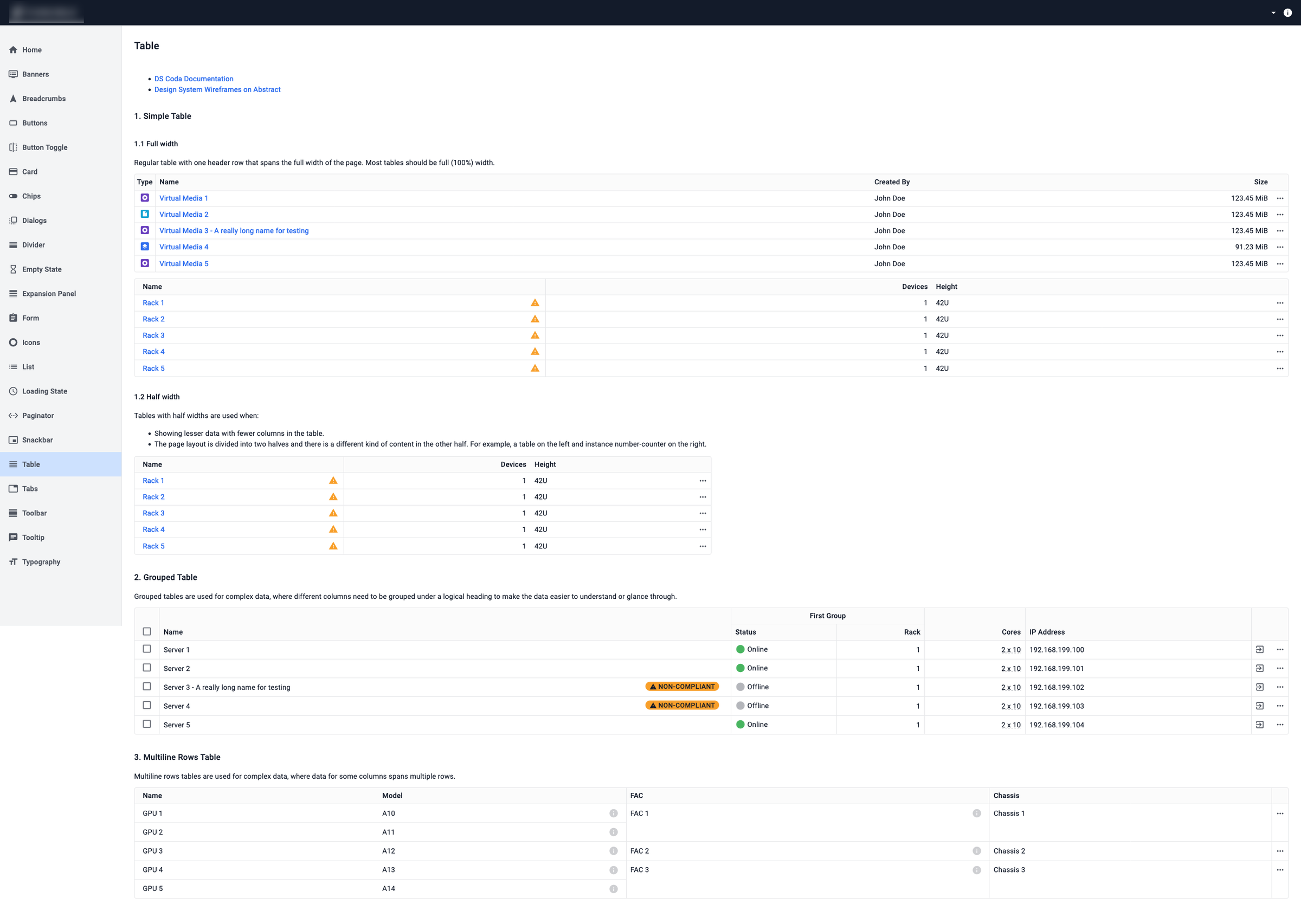
Across releases of the Composer and GPU Connect, I owned the design of several areas end to end, working with domain experts, product owners and engineers.
How the data center and its tenants allocate and use networks, shown as an object-wise hierarchy.
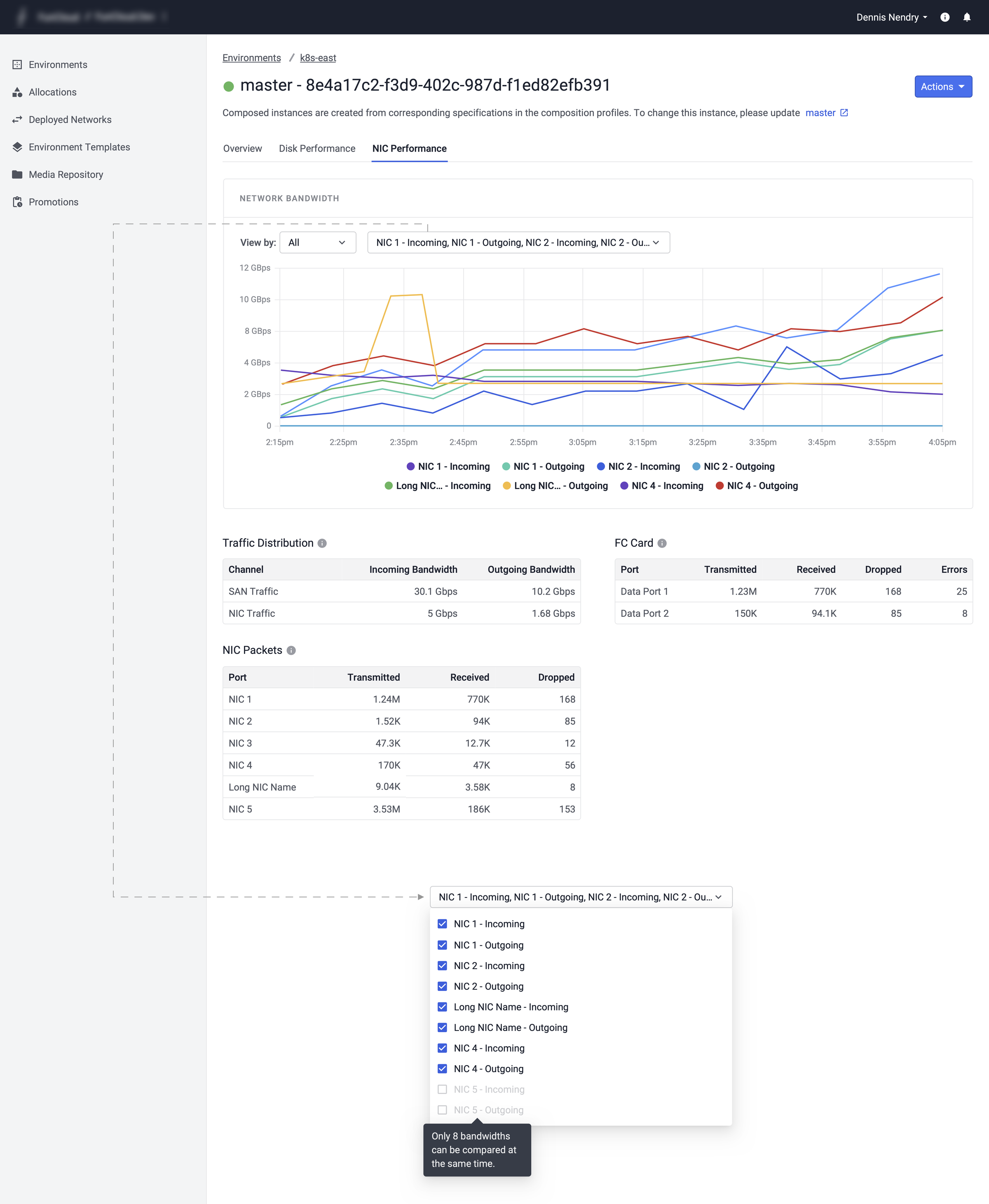
Live charts for monitoring network usage per server.
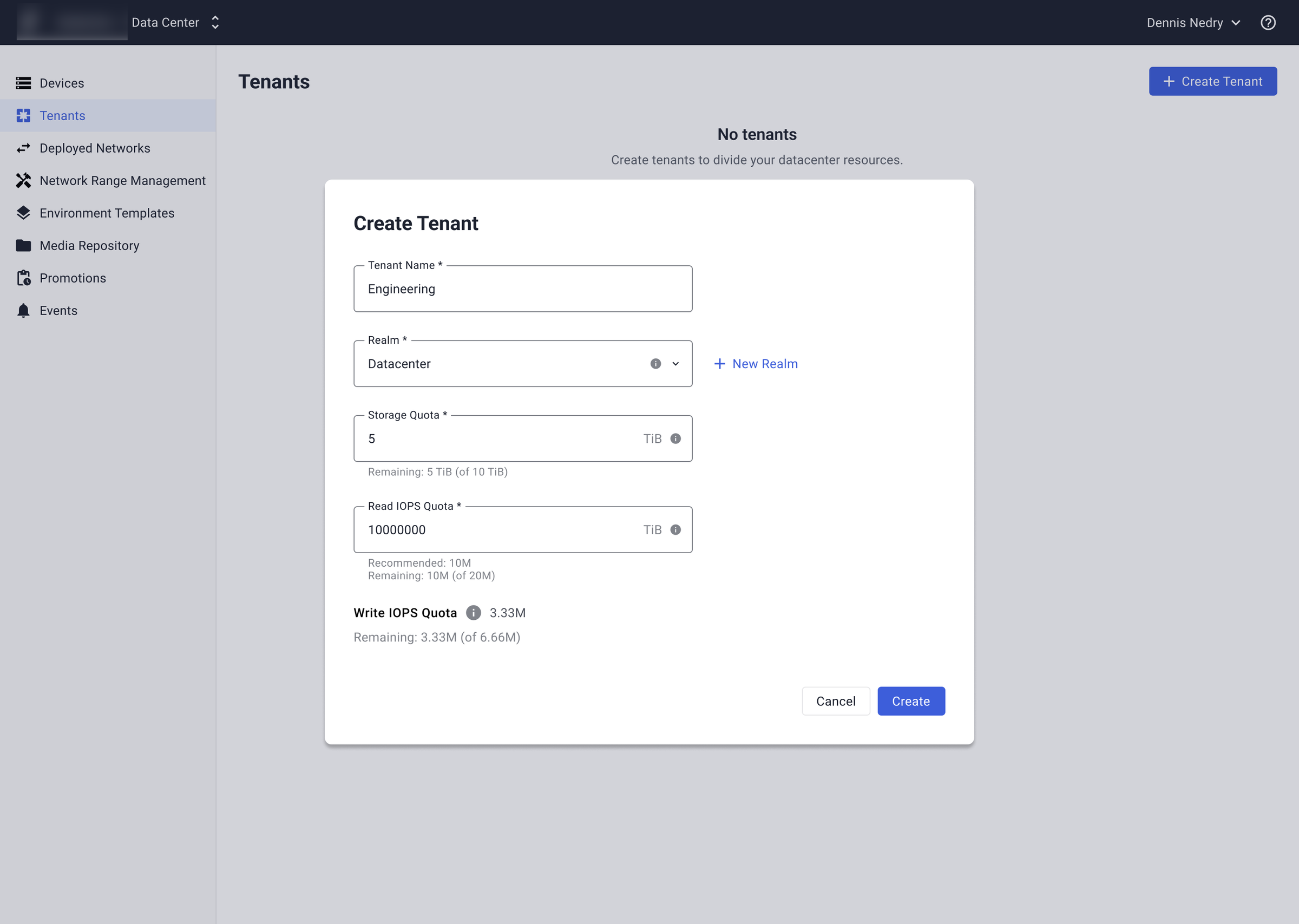
Creating customers and allocating storage, servers and GPUs to them.
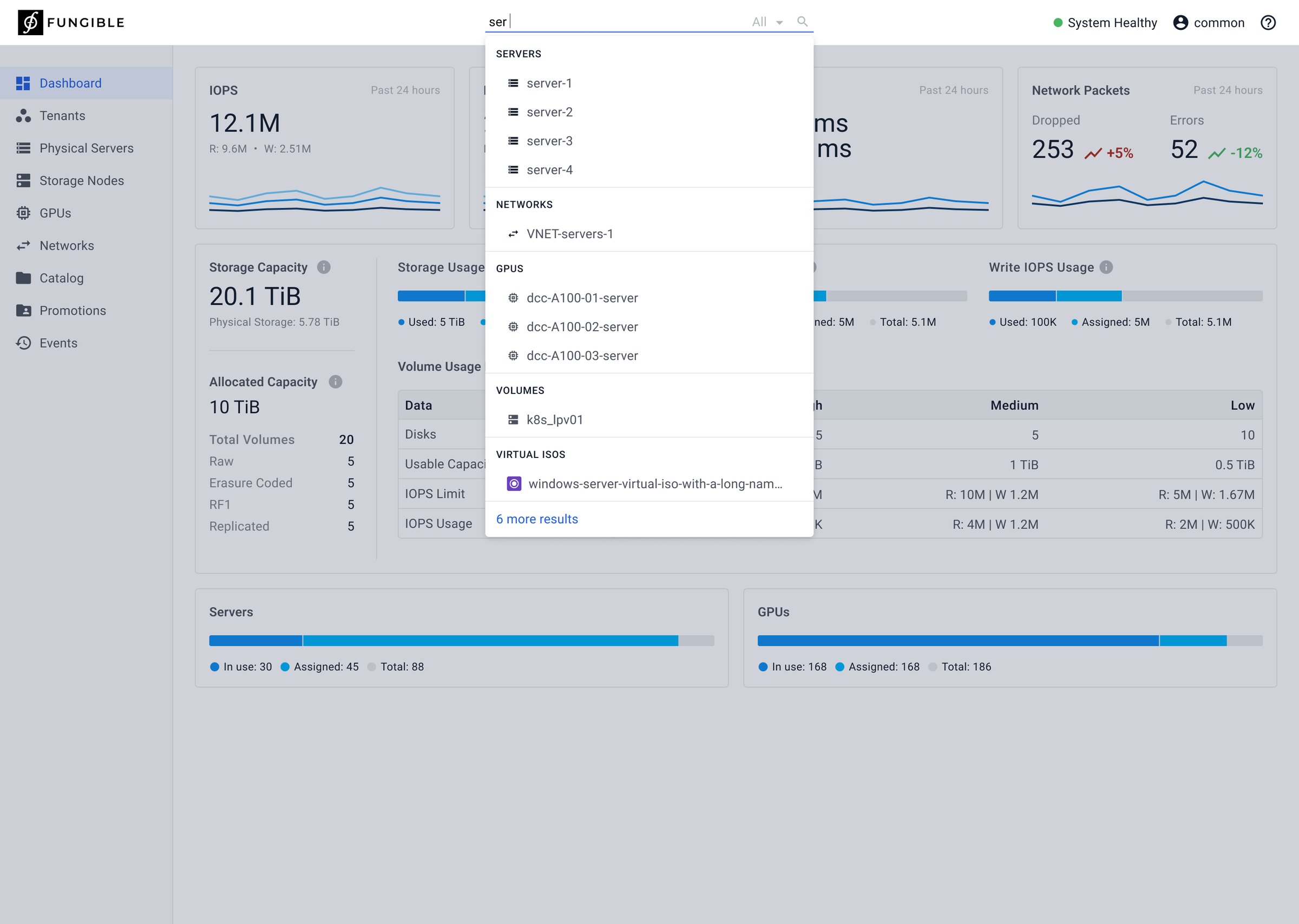
Researched and designed upcoming features like search and software updates.
The design system sped up front-end development, made the product consistent, and strengthened the partnership between design and engineering. Engineers built from working code instead of redlines.
Restyling a third-party library only goes so far. Some components needed to be rebuilt rather than overridden.
A library speeds things up, but its built-in assumptions shape what you can design. Choose it with that in mind.
A first-of-its-kind product with a long feature list was hard to market and hard for customers to understand.