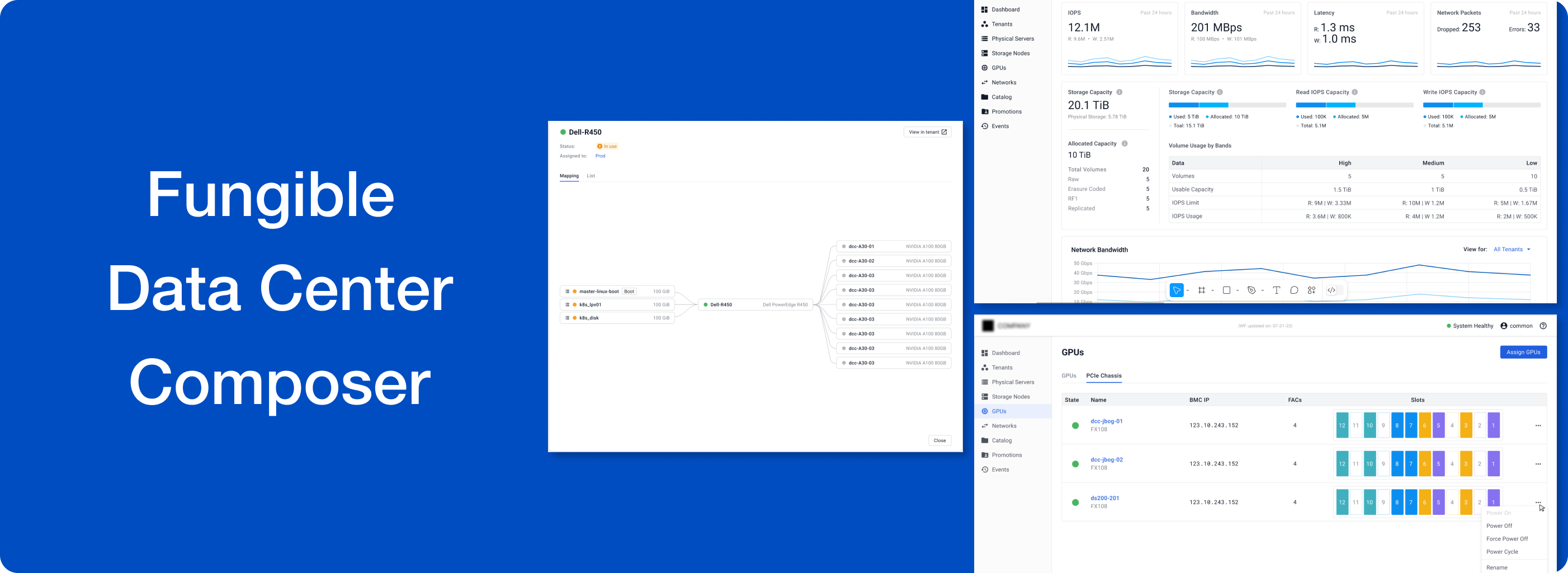
Fungible case-study Cover Image

Fungible Data Center

Overview

I co-created the first Design System at Fungible, Inc. I was also part of a team of 4 designers that designed the MVP and further versions of Fungible's data center management software.

Problem Statement

Due to evolving use-cases such as artificial intelligence/machine learning, big data, gaming, etc. that demand specific hardware configurations with regard to CPUs, GPUs and storage, it is difficult for data centers to utilize their hardware flexibly to their full extent when using traditional ways of assembling servers.

How can we allow data centers to use their hardware efficiently by allowing flexibility to easily create and remove specialized server configurations as needed?

Solution

Fungible's Data Center Composer

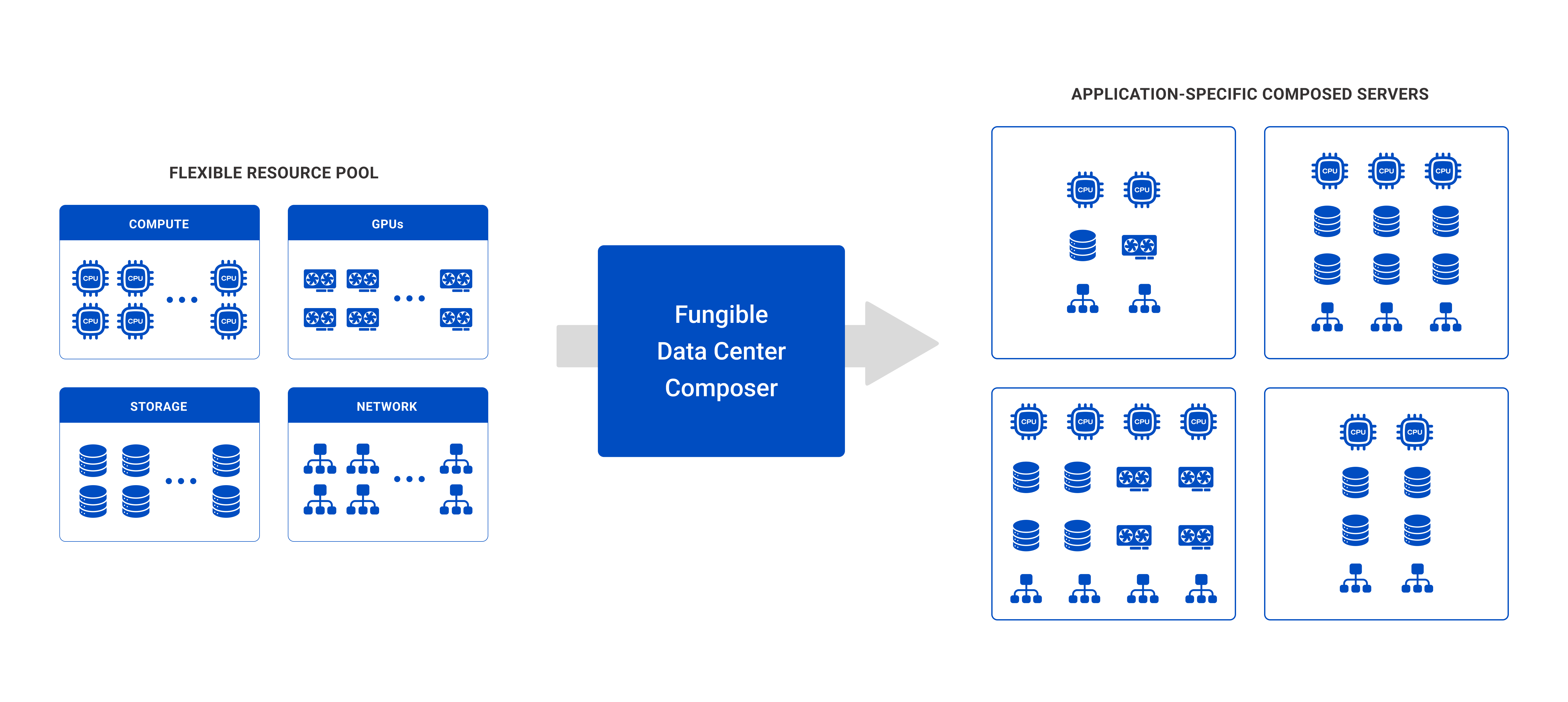
Data Center Composer in a nutshell
  • Allows data centers to have flexible resource pools of storage, CPUs, GPUs and networks.
  • Using Fungible's processing and storage hardware, the individual resources from the pools can be "composed" together to a wide range of possible server configurations.
Role based infrastructure-management and deployment
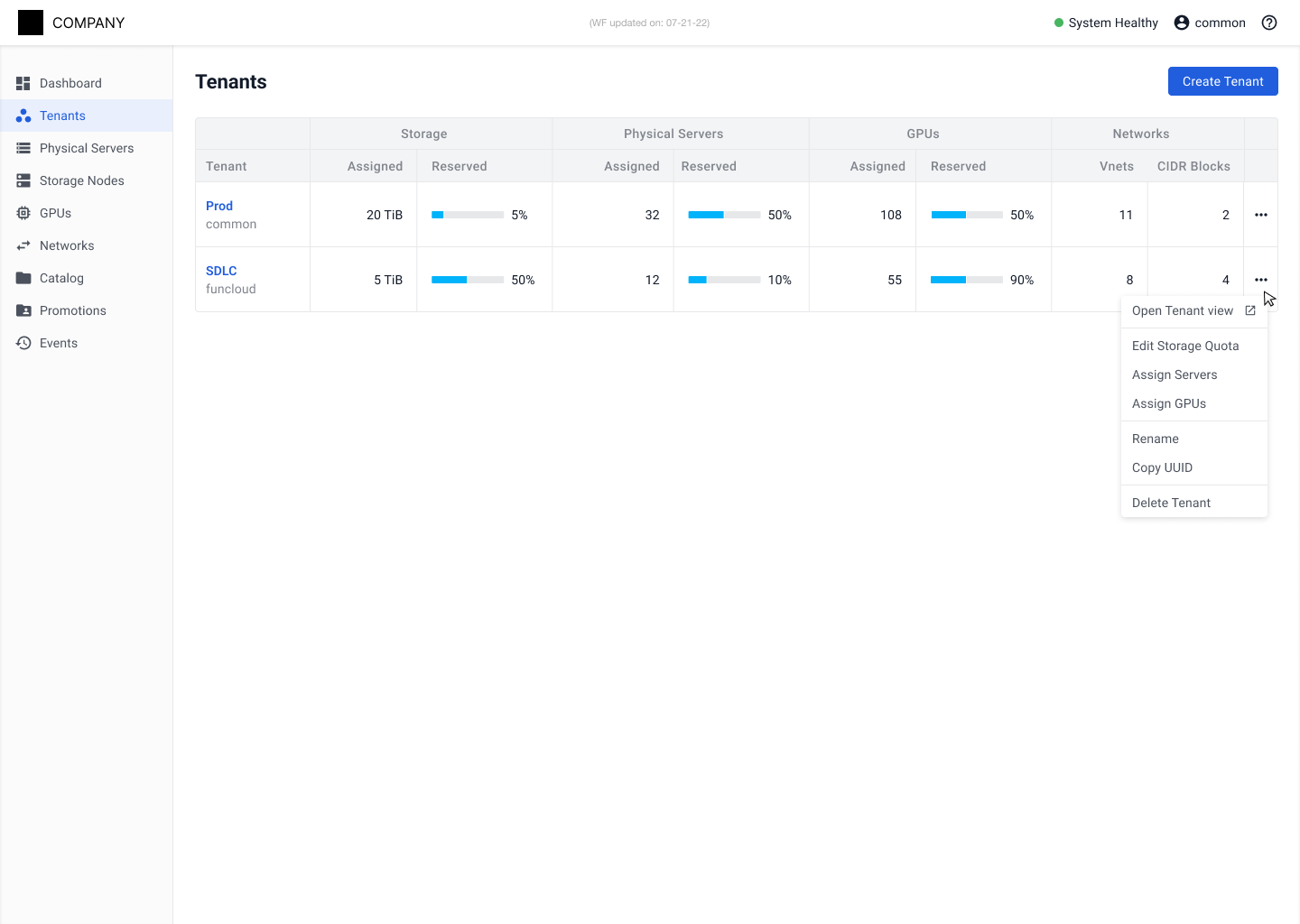
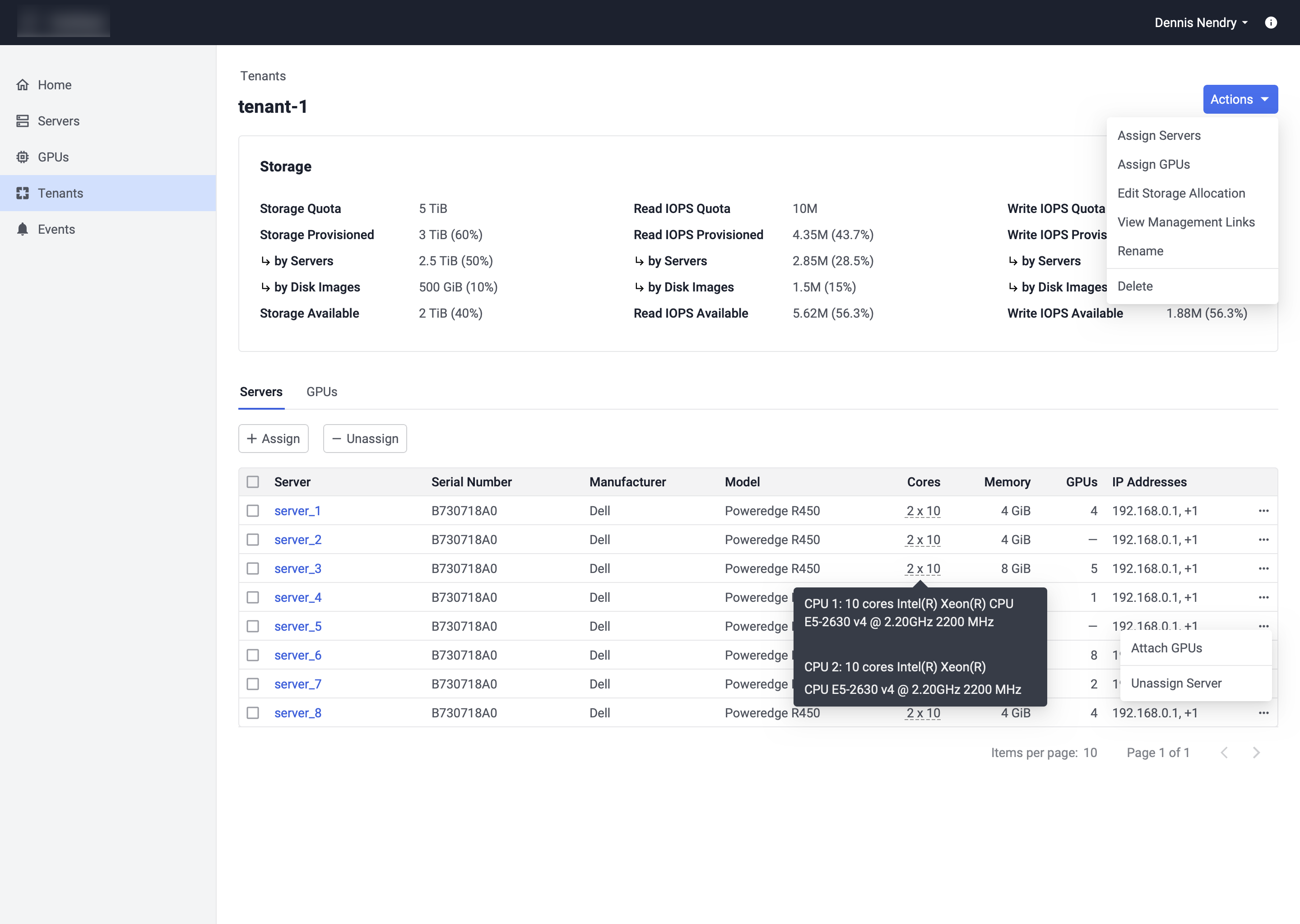
DCA view of Tenants
Data Center Admin's view of Tenants
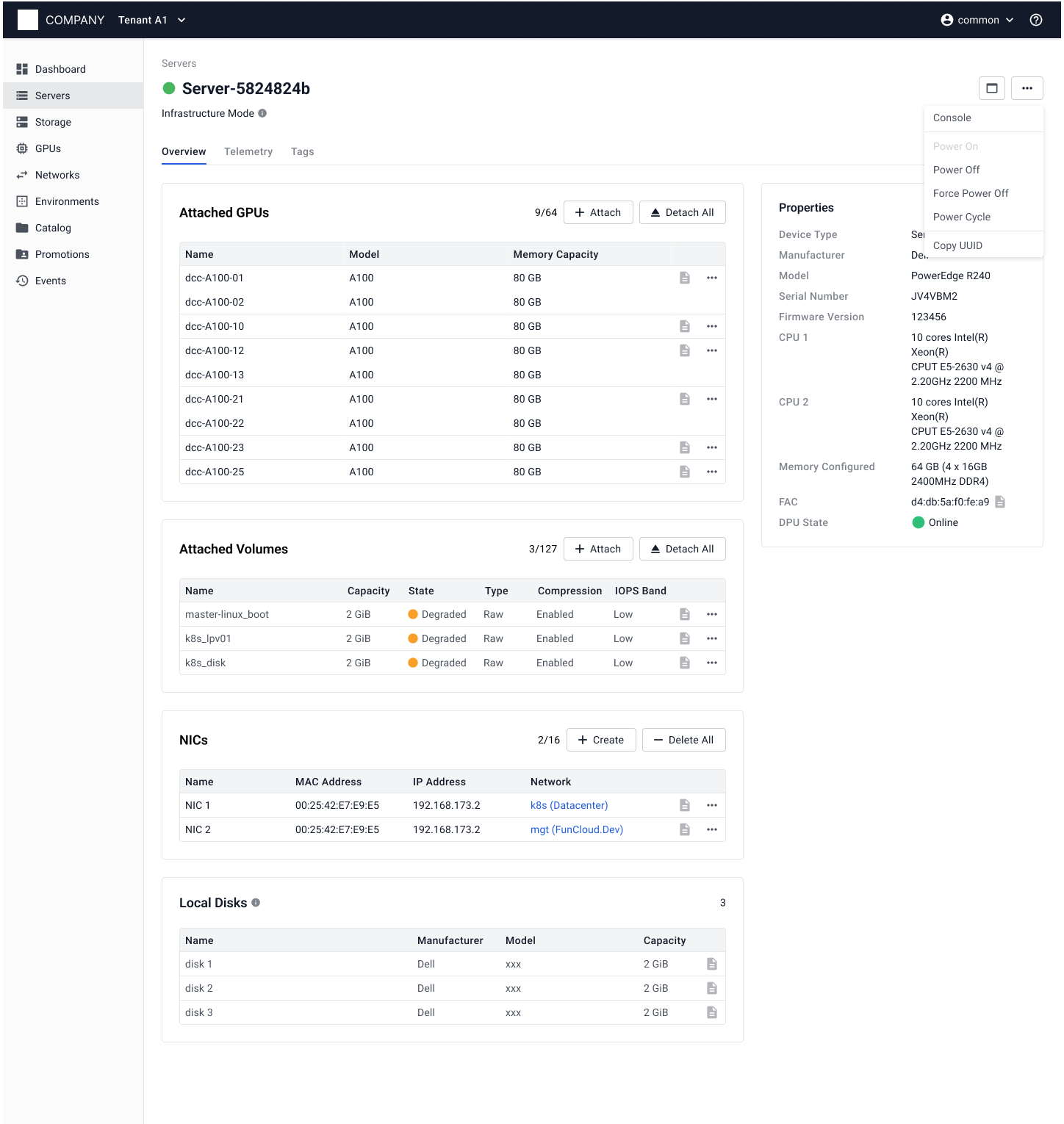
Tenant's view of a composed server
The composer supports 2 roles:
  • a Data center Admin (DCA) for assigning/partitioning data center resources like storage, GPUs, etc. to customers called "tenants".
  • A tenant admin - uses assigned resources to "compose" servers based on the requirements of the applications/workloads they need to run.

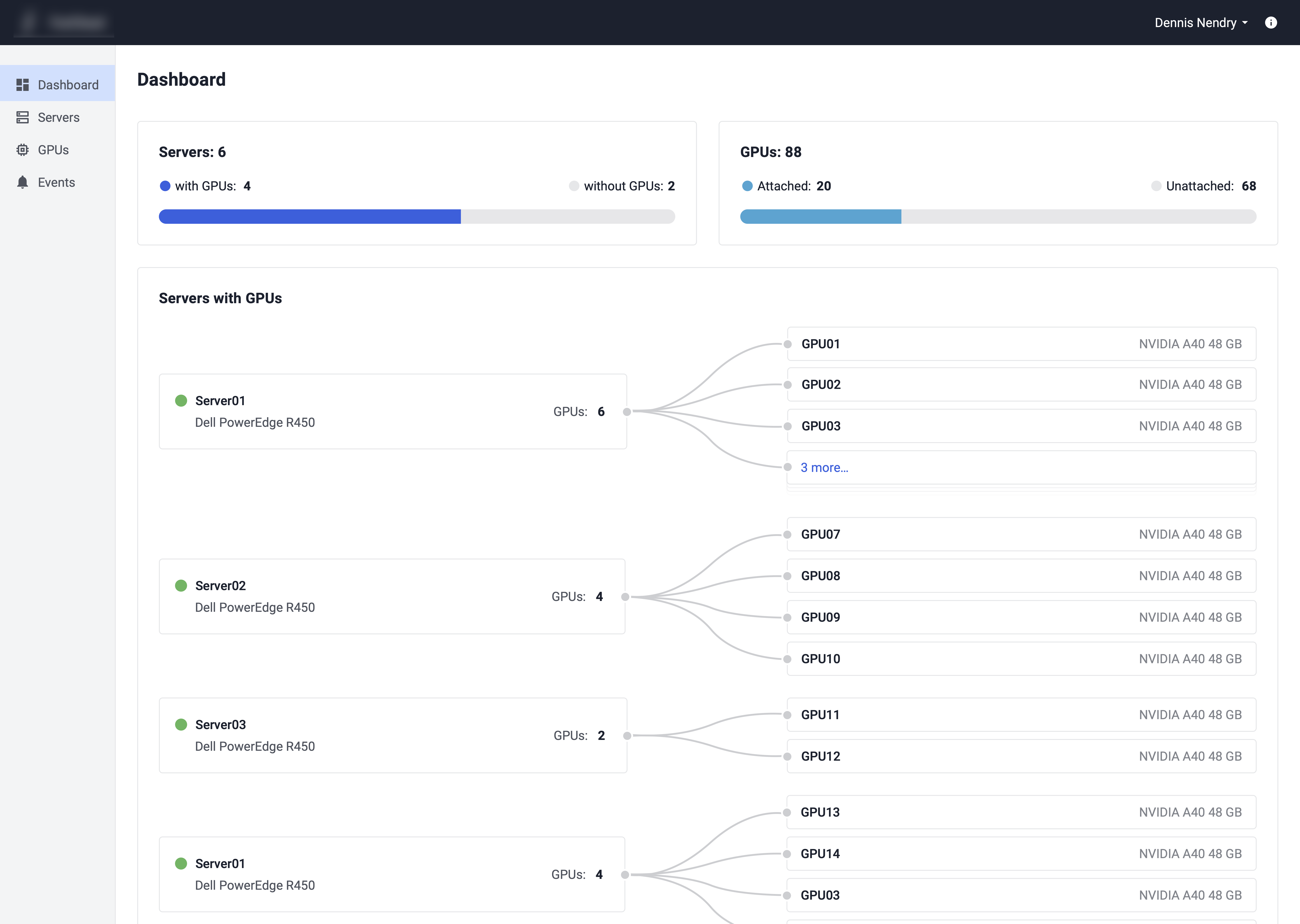
Fungible GPU Connect

Dashboard visualizing connections composed between servers and GPUs
Viewing the storage, servers and GPUs assigned to a Tenant
  • GPU Connect is a subset product of the Data Center Composer that focuses on servers and GPUs.
  • It allows data centers to bring together their GPU resources into one fluid resource pool.
  • GPUs from this pool can then be attached or detached from servers as required according to application demands.
  • This helps data centers to fully and flexibily utilize all the GPU resources they have.

As per Fungible's permissions, their logo has been removed from any wireframes shown. Ownership of these designs remains with Fungible.

My role and work

Design System

One of my big projects at Fungible was establishing the design system.

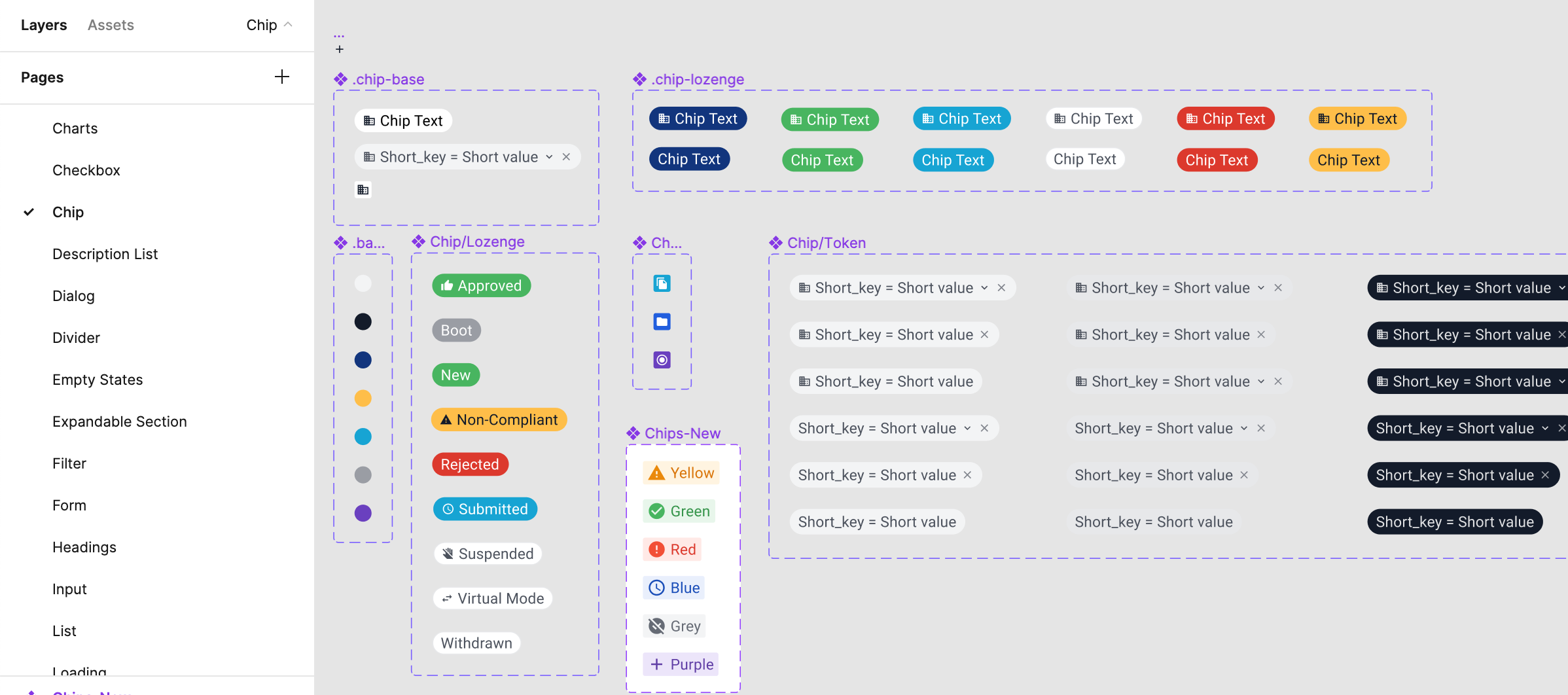
  • I co-created our components in Figma.
  • Styled existing Angular Material components to the specifications of our design system.
  • Created small, easy components in Angular.
  • For complex components that didn't exist, I created HTML/CSS versions and handed them over to our front-end team for conversion to Angular components.
Figma screenshot of components

Sticker Sheet

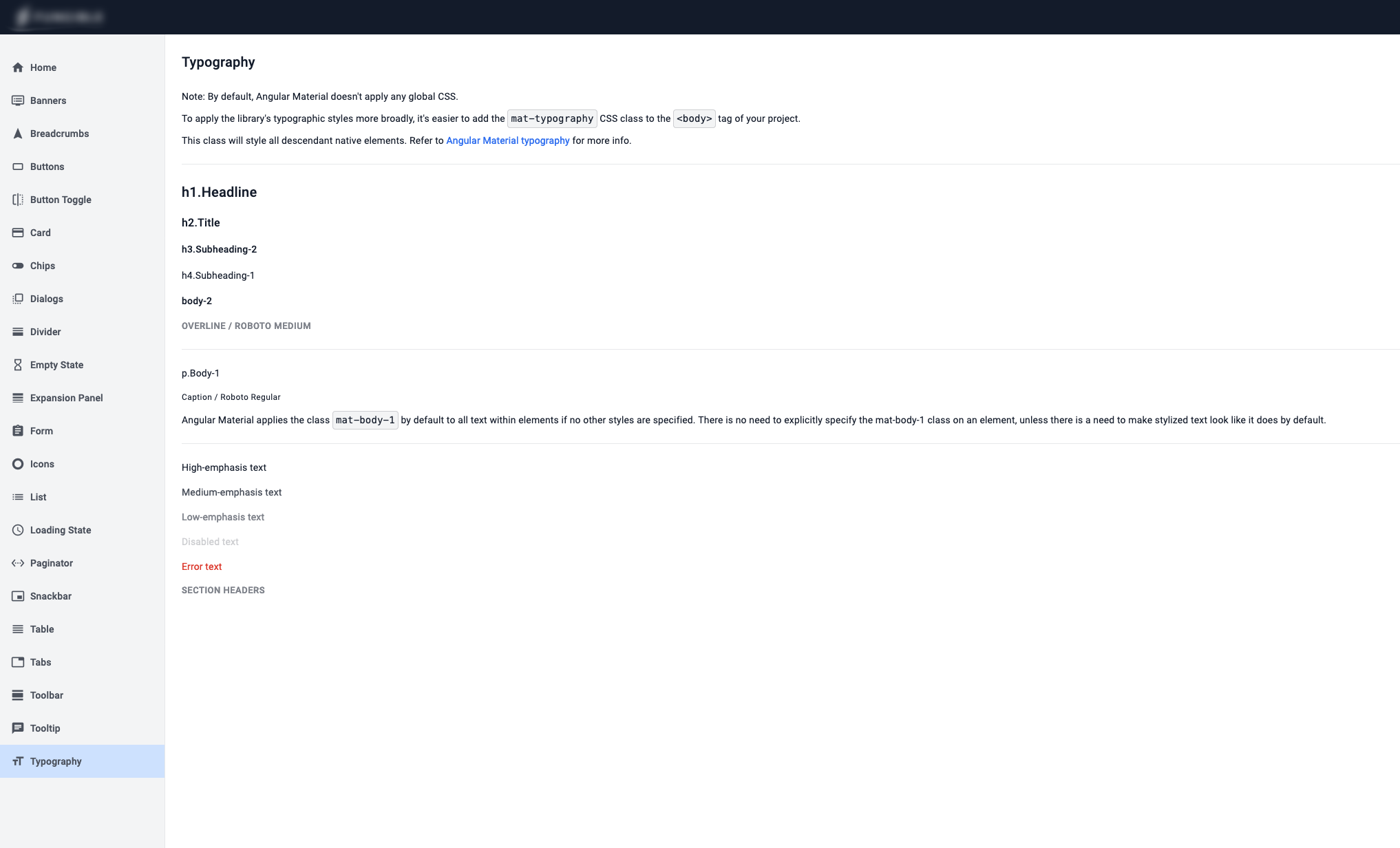
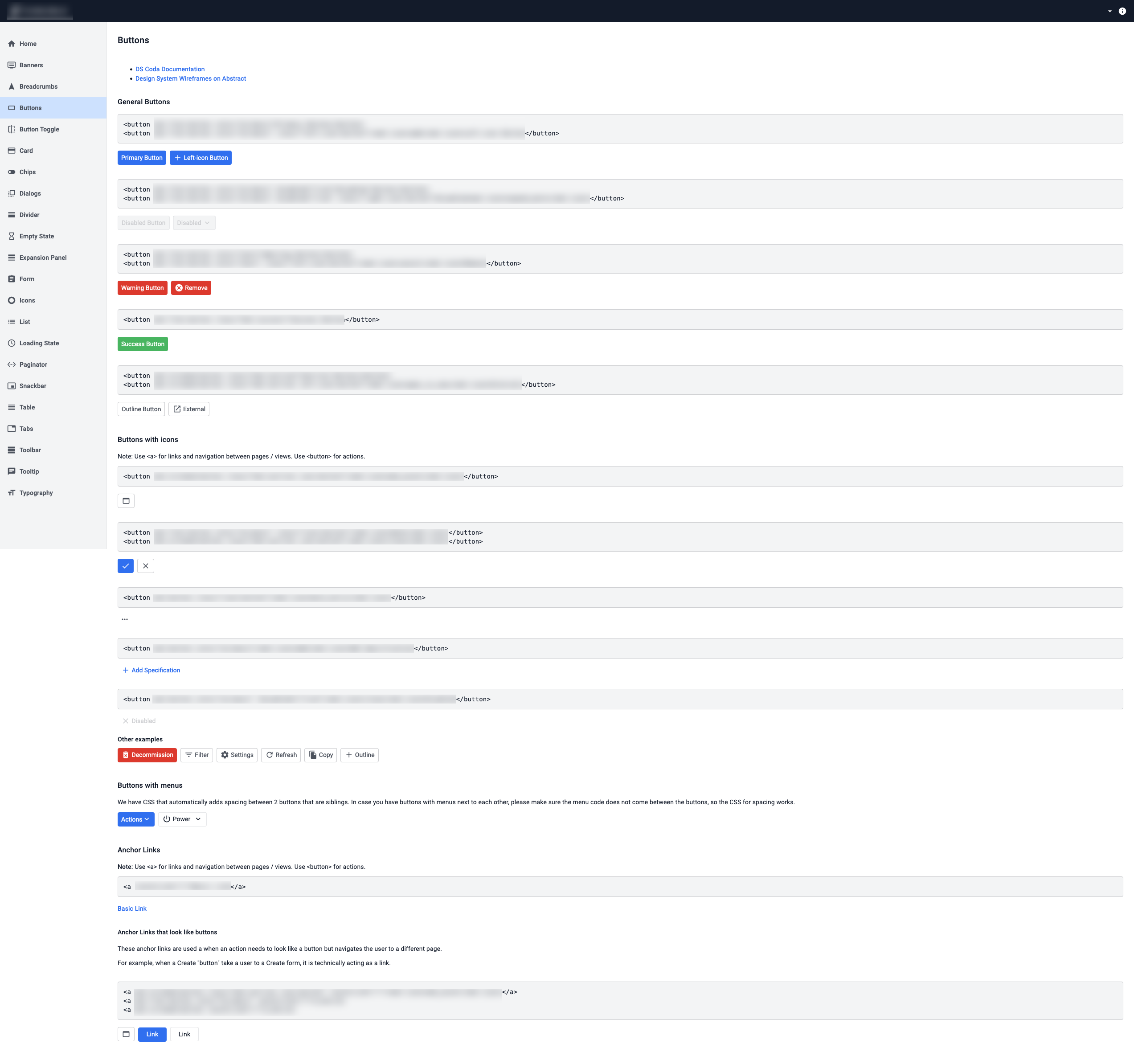
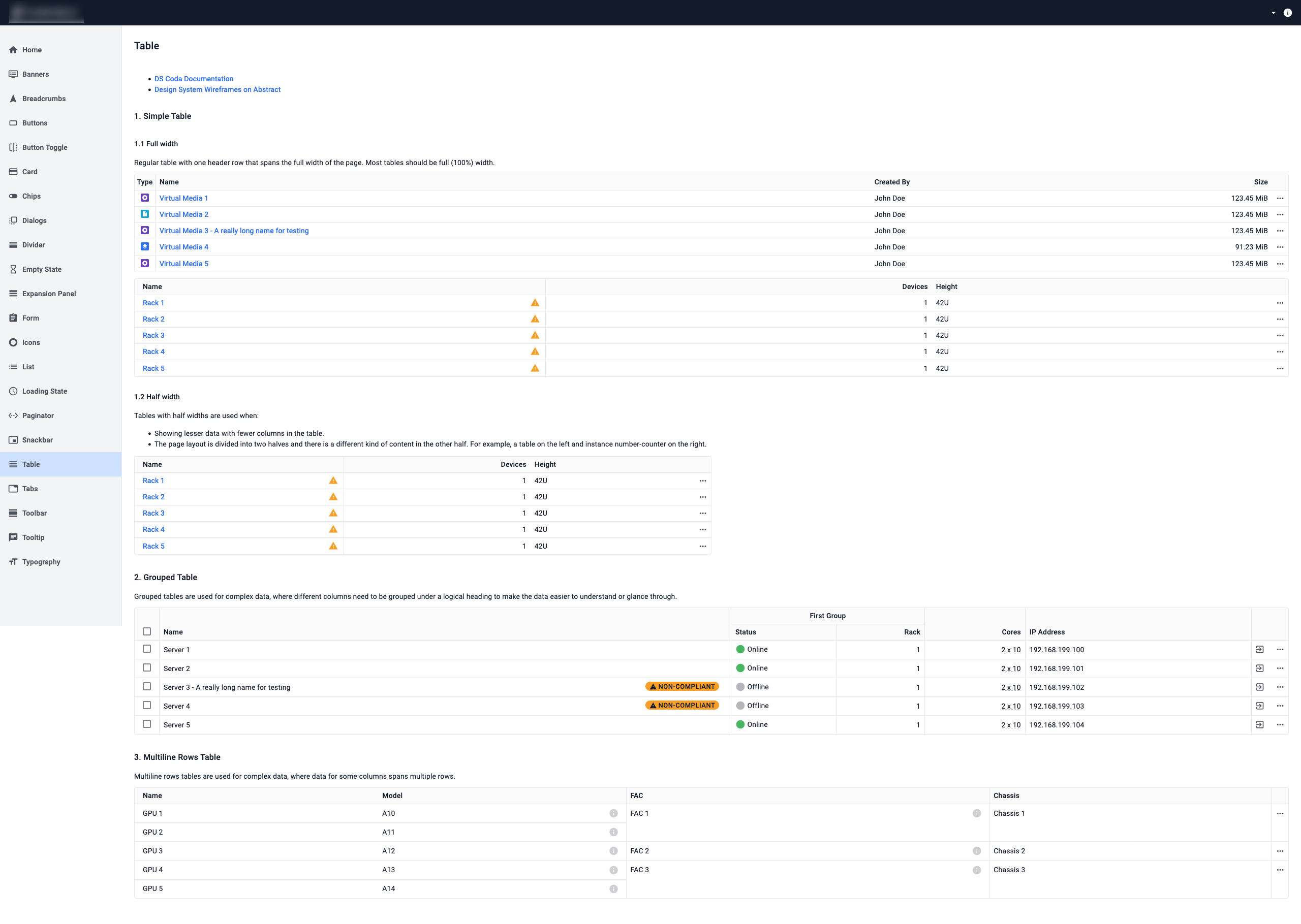
To help front-end engineers utilize our design system components, I created a sticker-sheet (reference website/wiki) of our components. This helped with:

  • Showing ideal usage examples of the components.
  • Providing code snippets.
  • Having a one stop reference for components and icons.
Sticker sheet to showcase typography
Button reference with code snippets
Page showing different kinds of tables

Fungible Data center composer (FDC) and GPU Connect (FGC)

I had design ownership of different parts of these 2 products over their different versions. Some of these areas included:

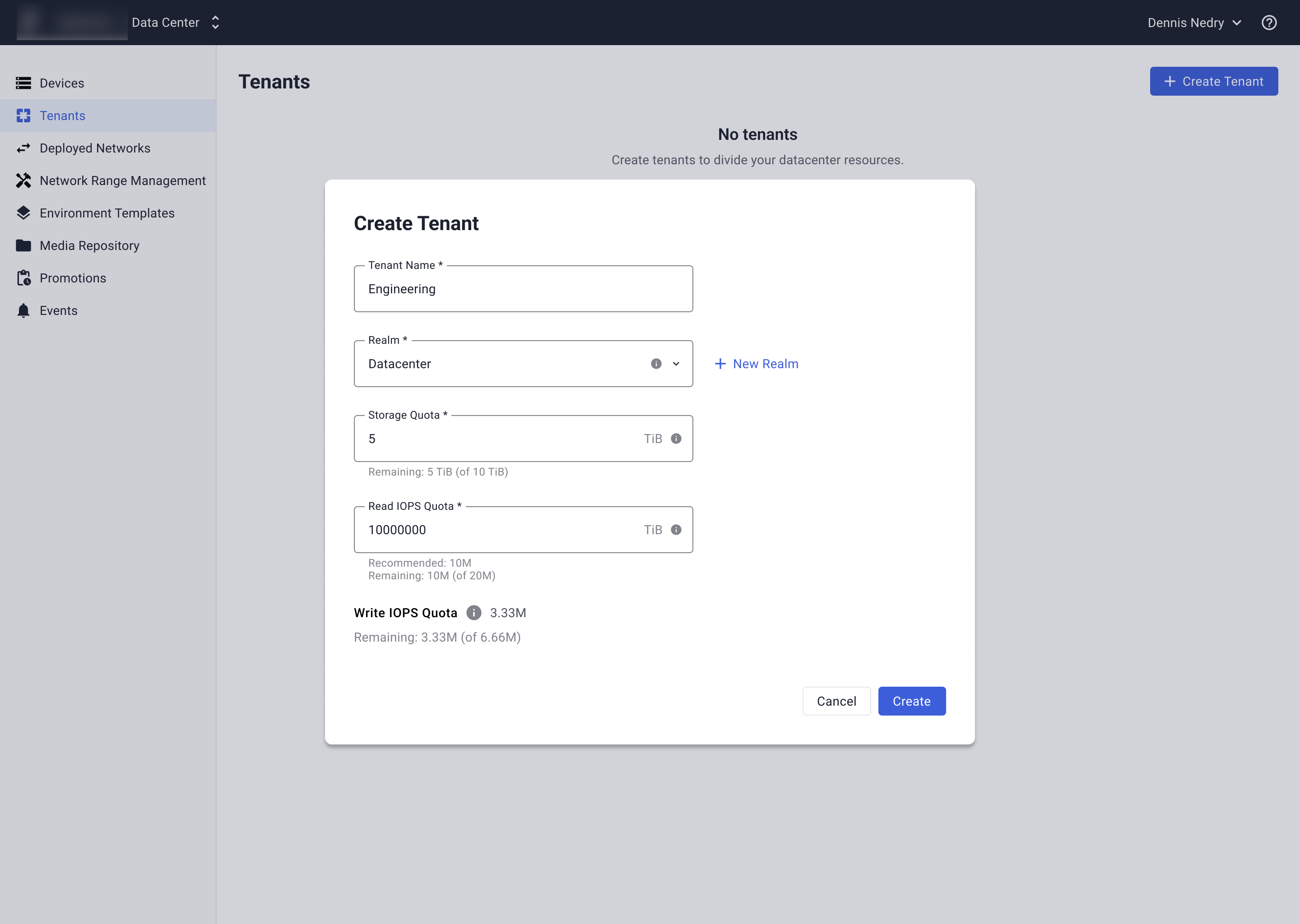
  • FDC/FGC: Tenant (customer) creation and allocation of resources to customer.
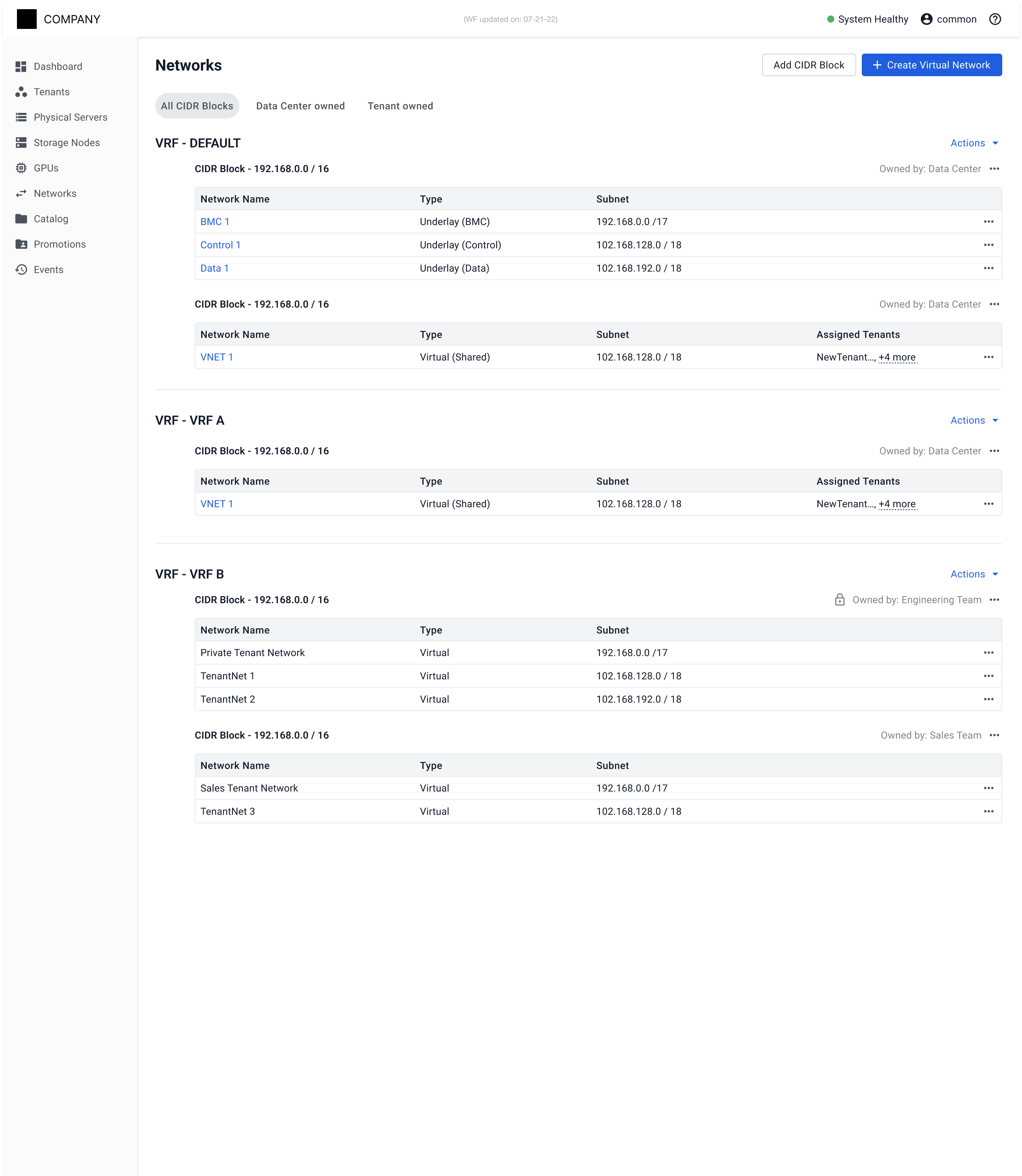
  • FDC Networking: Allocation and usage of networks by the data center and tenant.

  • FDC Networking: Live stats and charts for monitoring network usage.
  • FDC: Researching and designing upcoming features like search, software updates, etc.
Creating a tenant (customer)
Showing network usage for a server
Showing network usage graphs for a server
Showing an object-wise hierarchy of networks

Outcome

We conceptualized, designed and shipped the MVP and further versions of a first-of-its-kind infrastructure-management product. It was a great experience designing for a complex domain and collaborating with domain experts, product owners and engineers to deliver these products successfully.

356x280